

The Child to Parent Abuse Covenant (CPAC)
Creating workplaces where parents and carers feel understood, supported and believed

The story behind the Covenant

The Child to Parent Abuse Covenant (CPAC) was developed by PEGS to address an important gap in workplace understanding of domestic abuse.
While conversations about domestic abuse in the workplace have become increasingly recognised, the experiences of parents and carers abused by their child have often been missing from those conversations.
PEGS recognised that parents and carers experiencing CPA can face significant challenges at work, yet may not feel able to disclose what is happening or ask for support because of the stigma, shame and misunderstanding that can surround their experiences.
We wanted to change that.
With support from the Department for Work and Pensions (DWP), PEGS developed and launched the Child to Parent Abuse Covenant on 14th October 2021, to encourage employers to recognise CPA, raise awareness and consider how they can better support
“CPAC and PEGS provide lived-experience insight and specialist perspectives that help inform service design, guidance, and frontline understanding”
Read the full quote
“We are proud to say The Child Parent Abuse Covenant (CPAC), delivered by Parental Education Growth Support (PEGs), has a constructive and collaborative relationship with the Department for Work and Pensions (DWP), centred on shared objectives around safeguarding, family wellbeing, and improving outcomes for parents affected by child-to-parent abuse.
Through engagement with our DWP policy and operational teams, CPAC and PEGS provide lived-experience insight and specialist perspectives that help inform service design, guidance, and frontline understanding, particularly where abuse intersects with employment, benefits, and wider vulnerability.
This relationship enables DWP to better recognise the complexities faced by affected parents, while CPAC and PEGs benefit from opportunities to influence policy discussions, raise awareness, and ensure that systems and support pathways are responsive, trauma-informed, and aligned with the needs of families navigating both abuse and the welfare system.
In short, a great relationship.”
What is Child To Parent Abuse?
Child to Parent Abuse, often known as CPA, is when a child, young person or adult child uses harmful, threatening, controlling or abusive behaviour towards someone with parental responsibility.
This can affect birth parents, adoptive parents, foster carers, kinship carers, step parents, guardians and other family members. CPA can include physical, emotional, verbal, financial, digital, coercive or controlling behaviours.
Because CPA is often hidden, misunderstood or under reported, many parents and carers may struggle to talk about what is happening, especially at work. A supportive employer can make a real difference.
Why does CPAC matter?
Employers have an important role to play in helping people feel safe enough to speak about difficult experiences.
When an organisation understands CPA, it is better placed to recognise that an employee or volunteer may be experiencing abuse at home and to respond with compassion rather than judgement.
CPAC encourages organisations to consider how CPA is recognised within their existing domestic abuse policies, staff wellbeing approaches and workplace practices.
It is not about expecting employers to become specialists in CPA or to have every answer. It is about building understanding, knowing how to respond when someone speaks up, and helping people access appropriate information and support.
By joining the Covenant, your organisation can be part of changing how CPA is understood and how those affected are treated.
Domestic abuse does not stop when someone walks through the workplace door. And neither should the support available to them
What does your organisation commit to
The Covenant is built around three key commitments.
Recognise Child to Parent Abuse
Recognise CPA as a form of domestic abuse and consider how it is reflected in your organisation's relevant policies, procedures and conversations about domestic abuse, safeguarding and employee wellbeing.
Raise awareness and understanding
Help staff, managers and volunteers develop a better understanding of CPA, the impact it can have, and the importance of responding appropriately when someone shares their experience.
Create a supportive, non-judgemental workplace
Encourage a culture where employees and volunteers feel able to speak about their experiences without fear of blame, shame or dismissal, and where their concerns are met with understanding and appropriate support.
These commitments provide a starting point for meaningful change. Organisations can work towards them in a way that reflects their size, structure and existing policies.
Who can join the Covenant?
CPAC is open to organisations across the UK, regardless of size, sector or how much they already know about CPA.
This includes:
- Businesses and employers of all sizes
- Charities and social enterprises
- Local authorities and public sector organisations
- Schools, colleges and universities
- Health and social care organisations
- Community and voluntary organisations
- Membership and volunteer-led organisations
Whether you are a small employer with a handful of staff or a large organisation with established HR and wellbeing teams, you can make a commitment to better understanding CPA. You do not need to have everything in place before joining. The Covenant is an opportunity to start, learn and build on what you already do.
How to join the Covenant
Joining the Child to Parent Abuse Covenant is a straightforward process. We want to make sure every organisation joining has an opportunity to understand CPA, learn about the commitments and make use of the resources available through PEGS.
There are three steps:
Apply to join the CPAC
Click here to send your submission to the team.
Once we receive your registration, a member of the PEGS team will be in touch with the next steps.
Attend a CPAC introductory training session
Before receiving access to the CPAC resource hub, the person responsible for leading on CPAC will be invited to attend a PEGS introductory training session. This session is only available to the employer, HR roles or anyone who is able to introduce policies, processes or make reasonable adjustments if needed.
These sessions take place quarterly via Zoom, with dates published in advance and registration required.
The session, lasting up to one hour, provides a brief introduction to child to parent abuse, the experiences of parents and carers, the purpose of the Covenant and what it means to become a signatory. The session will also talk through the employer hub and how to develop a better understanding of how employers can put their commitment into practice.
It also gives organisations the opportunity to ask questions.
Following registration of interest, our team will contact you with the available dates and details of how to book your place.
Access the CPAC resource hub
Once your nominated representative has attended the introductory training session, your organisation will receive access to the dedicated CPAC resource hub.
The hub provides a range of practical resources to help you raise awareness and put the Covenant into action within your workplace.
Resources include:
- Your CPAC signatory certificate.
- Guidance and information about CPA.
- Workplace guides and supporting documents.
- Posters and infographics to share with employees and volunteers.
- Practical templates and resources to support workplace policies and procedures.
- Awareness materials to help start conversations about CPA.
The resources are there to help you share learning across your organisation and build understanding over time.
Joining the Covenant is the beginning, not the end. We want organisations to feel supported in taking their commitment forward and helping to make a real difference to employees and volunteers impacted by CPA.
What people are saying about CPAC…
Thank you PEGS for such an insightful conference today to raise awareness about the Child to Parent Abuse Covenant. The big take away for me is that we need to talk about CPA more so we can meaningfully support the adult and the child involved.
Thank you PEGS for such an insightful conference today to raise awareness about the Child to Parent Abuse Covenant.
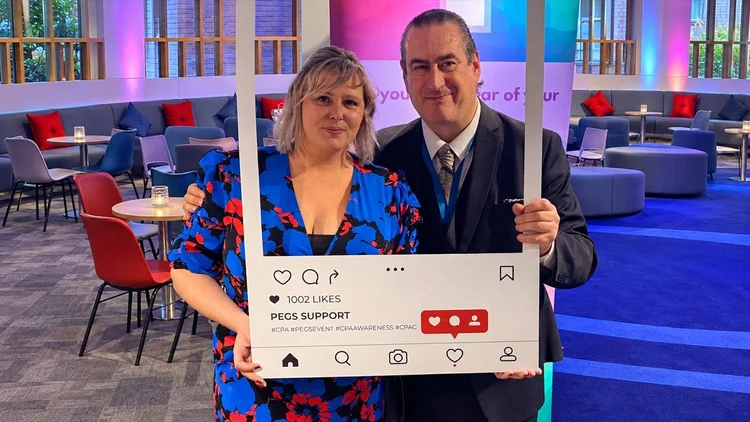
Privileged to spend the day at the launch of CPAC Child to Parent Abuse Covenant with Michelle John and PEGS in London. Employers need to do all they can to raise awareness of this form of abuse, to create safe spaces for staff and to be able to signpost to the much needed support available.
Common Questions
-
Yes, the Covenant is completely free.
-
No. Organisations can sign whether they already have policies and training in place, or are just beginning to learn more about Child to Parent Abuse.
-
The Covenant may be especially useful for HR teams, staff wellbeing leads, safeguarding teams, managers, volunteer coordinators and senior leaders.
-
No. Signing is a pledge to recognise CPA and take steps towards improving understanding. PEGS can provide support and resources to help your organisation move forward.
-
Yes. The Covenant is open to organisations of all sizes and sectors, including charities, nonprofits, businesses, public sector organisations and community groups.
-
CPA can affect a person’s wellbeing, safety, attendance, focus and confidence at work. Employers who understand CPA are better placed to respond with care and without judgement.
-
Organisations that sign up for the Covenant will be invited to an introductory CPAC training session led by PEGS. This includes an overview of CPA, parental case studies, research and time for questions.
-
Yes. PEGS can offer guidance, resources and training to help your organisation understand CPA and develop a safer, more informed workplace culture.
How PEGS can support your organisation
Head to our training page to explore all the other ways we can help support you in understanding and responding to cpa
Through awareness raising, training and practical resources, PEGS supports organisations to start meaningful conversations, improve confidence and take steps towards safer and more informed support.
PEGS has trained more than 1,500 professionals since becoming operational in April 2020.