PEGS Attends the National Working Group on Spiritual and Ritual Abuse at Parliament
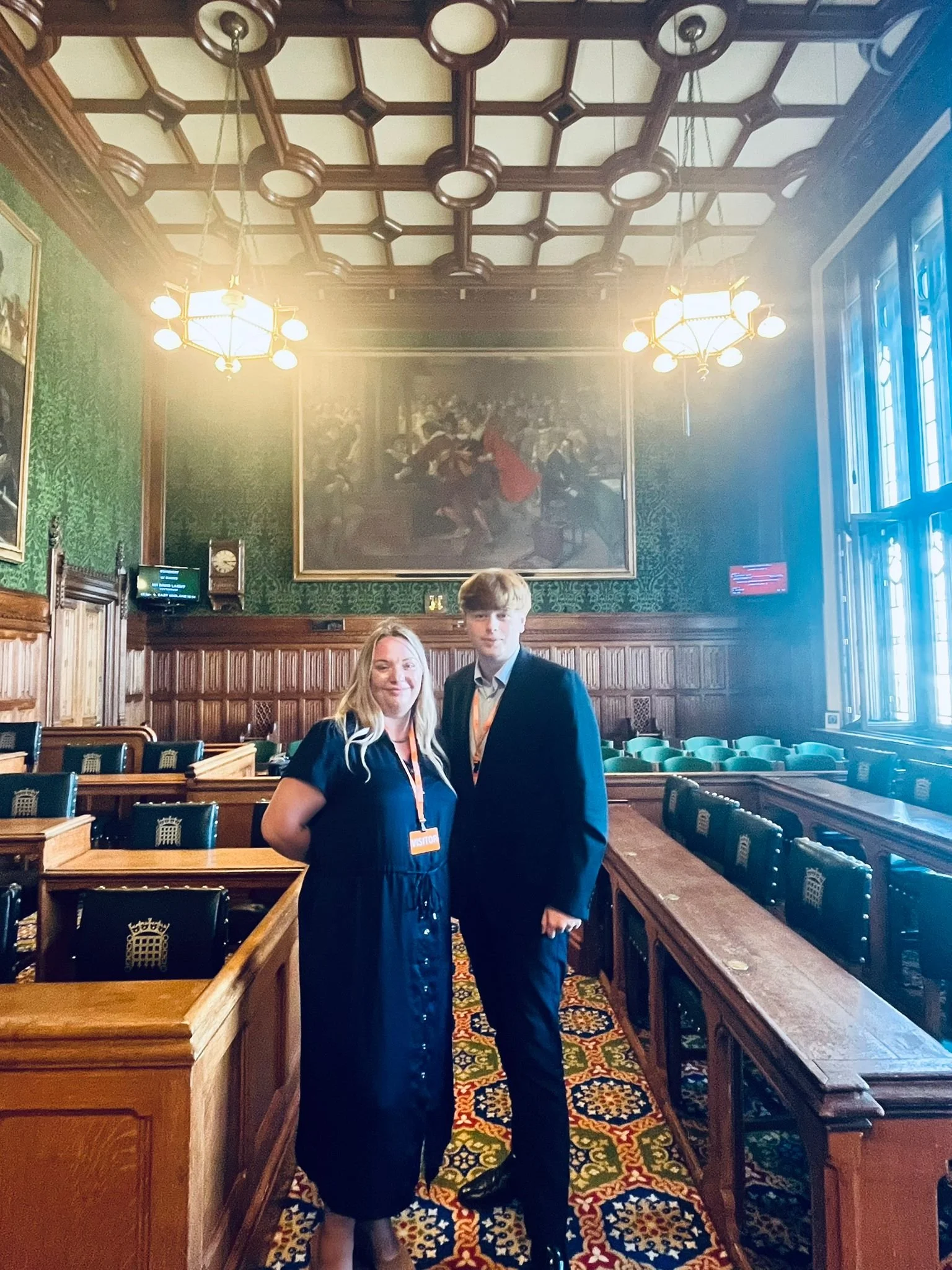
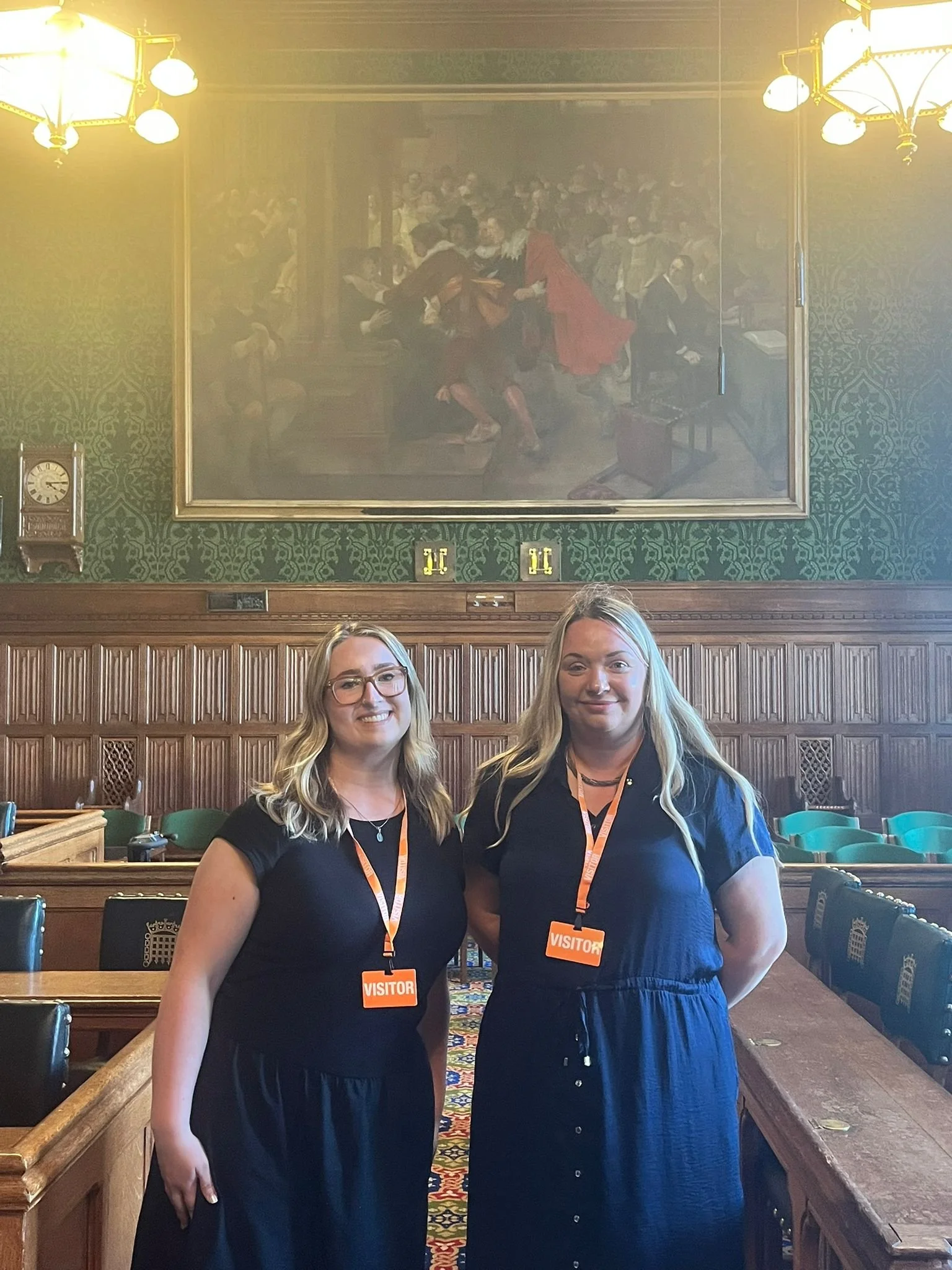
On Monday 22nd June 2026, PEGS was honoured to attend the National Working Group (NWG) on Spiritual and Ritual Abuse meeting at the Palace of Westminster, held in Committee Room 14 between 2:00pm and 4:00pm.
Representing PEGS were Laura Davies, Training Lead, and Josh Stevens, Training Administrator, who joined professionals, campaigners, researchers and individuals with lived experience from across the UK to discuss the realities of spiritual, ritual and cultic abuse, and the importance of improving awareness, safeguarding and support for those affected.
The meeting began with welcoming remarks from Sam Carling MP and Kim Leadbeater MP, highlighting the importance of bringing these often-overlooked forms of abuse into national conversations and ensuring that survivors voices continue to inform policy and practice. The session was chaired by Jordan Alexander, who provided an overview of the current UK landscape, sharing statistics and outlining the ongoing work of the National Working Group in raising awareness and driving change.
One of the first lived experience speakers was Bal Kaur Howard, who courageously shared her personal experience of forced marriage. Her powerful testimony highlighted the long- lasting impact of coercion, control and abuse, while reinforcing the importance of recognising harmful practices that can be justified through culture or belief.
The group then heard from Aleks Tokarz-Tyler from Safer Places, who explored the links between domestic abuse and spiritual abuse. The presentation examined how faith, religion and belief systems can be manipulated as tools of coercive control, reminding attendees that abuse can occur in many different contexts and communities.
Further lived experience was shared by Carolyn Mercer and Jeremy Gavins, who spoke openly about conversion practices. Their presentations provided valuable insight into the lasting emotional and psychological effects these practices can have on individuals and emphasised the need for continued advocacy and survivor-centred support. A particularly thought-provoking presentation came from Racheal Reign, who shared her lived experience of cultic abuse within the Universal UK Church. She introduced attendees to her C.U.L.T. Framework, designed to help professionals recognise indicators of coercive and controlling groups, and explained her motivation for establishing Surviving Universal UK, an organisation dedicated to supporting survivors and raising awareness of cult-related harm.
Attendees also heard from Dr Gillie Jenkinson, who discussed the complex psychological impact of cultic abuse. Her presentation highlighted how survivors may develop unhealthy coping strategies as a response to prolonged trauma, underlining the importance of specialist, trauma-informed support during recovery.
Alex Barnes Ross then shared his own lived experience of Scientology, offering further insight into the challenges faced by those leaving high-control organisations and rebuilding their lives afterwards.
Another moving presentation came from Harry Maxwell, who spoke about his experience of being shunned by the Jehovah & Witness faith. His account demonstrated the profound emotional consequences that exclusion and isolation can have on individuals and families. The meeting also included an update from Dr Alejandro Sanchez, who discussed male circumcision. He highlighted the importance of ensuring that any procedures are carried out only by appropriately medically trained professionals and spoke about the principle of bodily autonomy, advocating that children should have the opportunity to make informed decisions about their own bodies where possible.
The final presentation was delivered by Victoria from SignHealth, who shared her experiences as a Deaf survivor of spiritual abuse. She described how family members had told her that she was born Deaf because her parents had children at a young age and that her deafness represented punishment. Victoria also spoke about the additional barriers faced by the Deaf community when disclosing abuse, explaining how communication challenges and stigma can make it significantly harder for survivors to seek support and be heard.
Reflecting on the Day One of the strongest messages to emerge from the National Working Group was that, regardless of the setting or context, the common thread running through all forms of abuse is coercive control and trauma bonding.
Whether the abuse takes place within a family, intimate relationship, faith community, high- control group or cult, perpetrators often use the same underlying tactics to gain and maintain power over their victims. Fear, manipulation, isolation, shame and dependency become tools of control, making it incredibly difficult for victims to recognise the abuse, seek help or leave safely. Trauma bonds can leave individuals feeling emotionally attached to those causing them harm, further reinforcing the cycle of abuse.
For PEGS, this was a particularly important takeaway. Although our work focuses on child- to-parent abuse, many of the behaviours discussed throughout the afternoon reflected patterns we regularly see in families experiencing coercive and controlling behaviour. The similarities between different forms of abuse reinforce the importance of recognising coercive control as the underlying mechanism that traps victims, isolates them through fear of the consequences, and makes escaping abuse so challenging. Listening to professionals, researchers and courageous survivors demonstrated the value of sharing knowledge across different sectors.
By understanding these common dynamics, services can work together more effectively to identify abuse earlier, provide trauma- informed support and ensure survivors receive the understanding and specialist help they deserve.
PEGS would like to thank the National Working Group, all of the speakers, and everyone who shared their expertise and lived experiences. Their openness and commitment to raising awareness will continue to strengthen safeguarding, professional understanding and support for those affected by spiritual, ritual and cultic abuse.