
-Michelle John, MBE
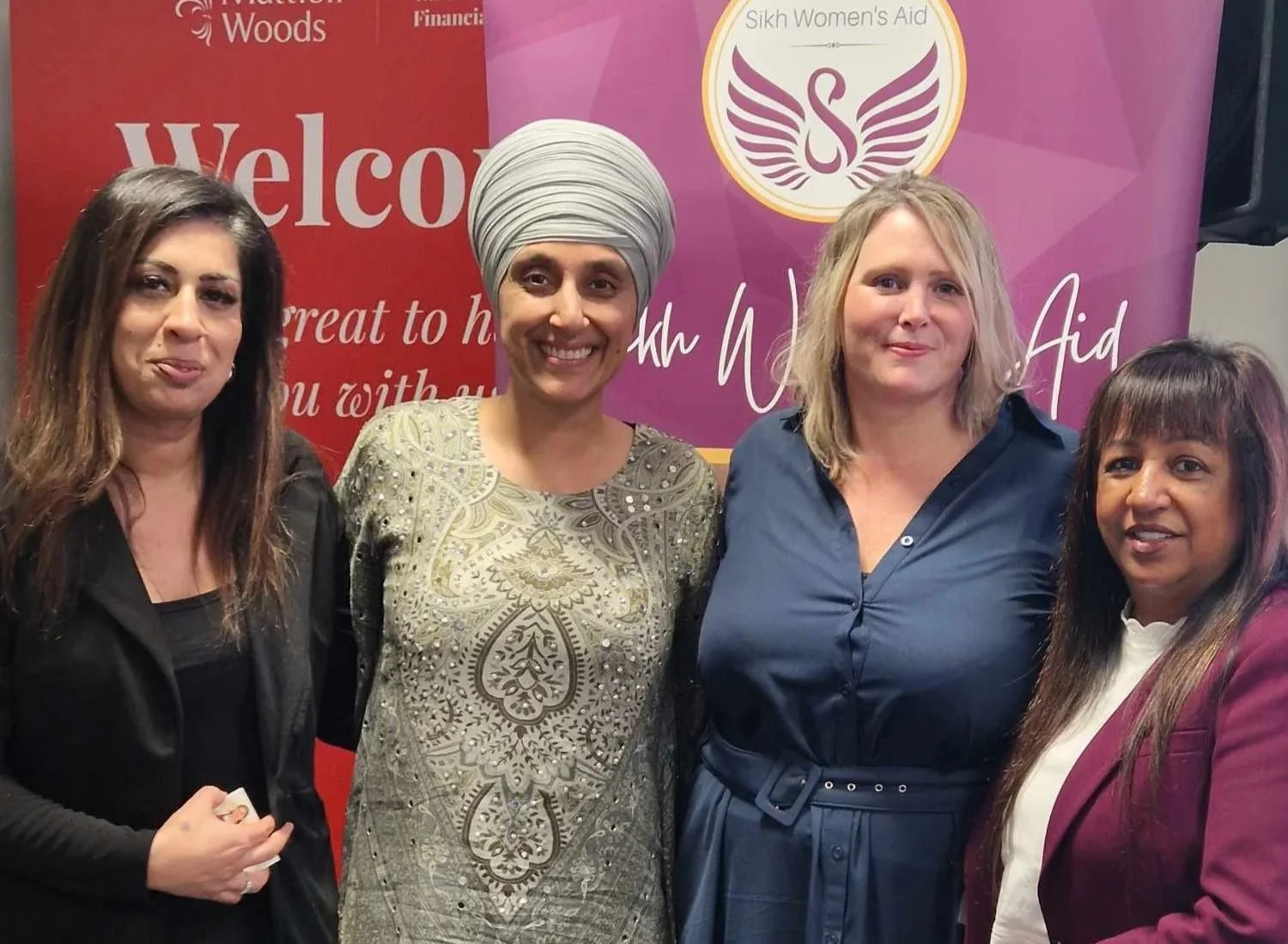
On Monday the 23rd of November, I had the privilege of attending the Hidden in Plain Sight conference hosted by Sikh Women’s Aid in Leicester, where I also joined an incredibly important panel discussion alongside some fantastic women working across the domestic abuse and violence against women and girls sector.
It was one of those days that stays with you long after you have left the room. A day filled with knowledge, honesty, difficult conversations, powerful voices and, above all, an opportunity to listen.
The conference brought together an incredible line-up of speakers, professionals, organisations and women with lived experience. Although we came from different backgrounds and areas of work, there was a shared understanding that too many women and girls continue to experience abuse that is unseen, misunderstood, minimised or simply not recognised.
And that is exactly why this work matters.
What does advocacy look like?
The conference opened with Mel Thomas QPM, High Sheriff of Leicestershire, who posed a question:
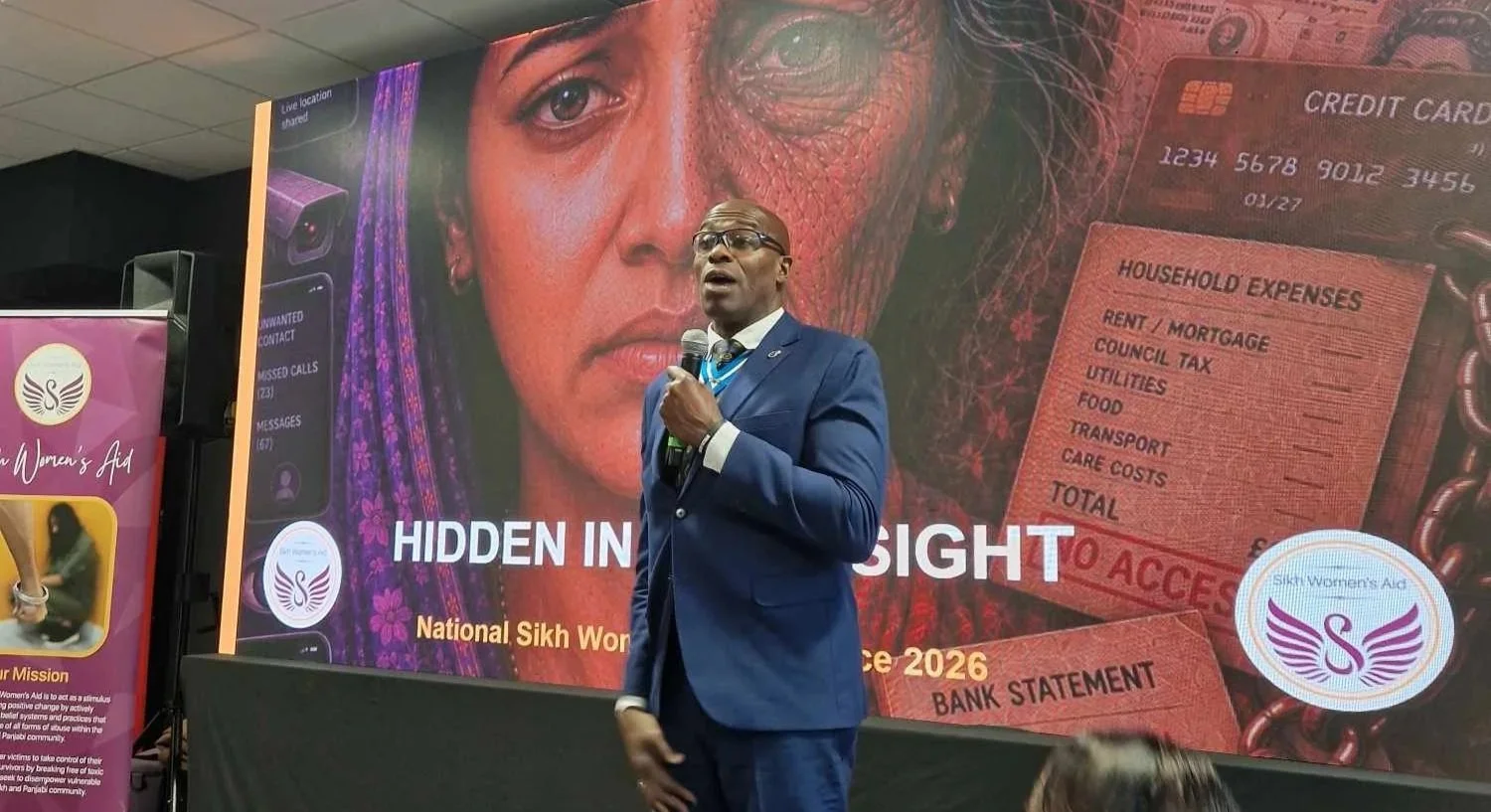
"What does advocacy look like for me?"
His response was simple, but incredibly powerful:
"Standing up and speaking out."
I found myself reflecting on those words. Advocacy is not always about having the right title, being in a position of authority or having a platform. Sometimes it is about being prepared to speak when others cannot, challenging what is accepted, questioning what is being missed and making sure that voices which have historically been overlooked are heard.
It is also about recognising when we need to step back and allow others to speak for themselves.
We then heard from Gagandeep Kaur Kang, who spoke about the importance of the work Sikh Women’s Aid does and the findings of their new report, Hidden in Plain Sight.
One particular observation stayed with me. The reality that many parents find themselves torn between protecting their child and protecting themselves.
At PEGS, this is something we recognise all too well.
For parents experiencing child to parent abuse (CPA), the emotional impact can be immense. They love their children, they want to protect them, they want to understand what may have happened, and they want support. Yet they may also be frightened, exhausted, isolated and living with abuse within their own homes.
Those feelings are not mutually exclusive.
A parent should never have to choose between being a parent and feeling safe.
When the evidence tells us we need to do more
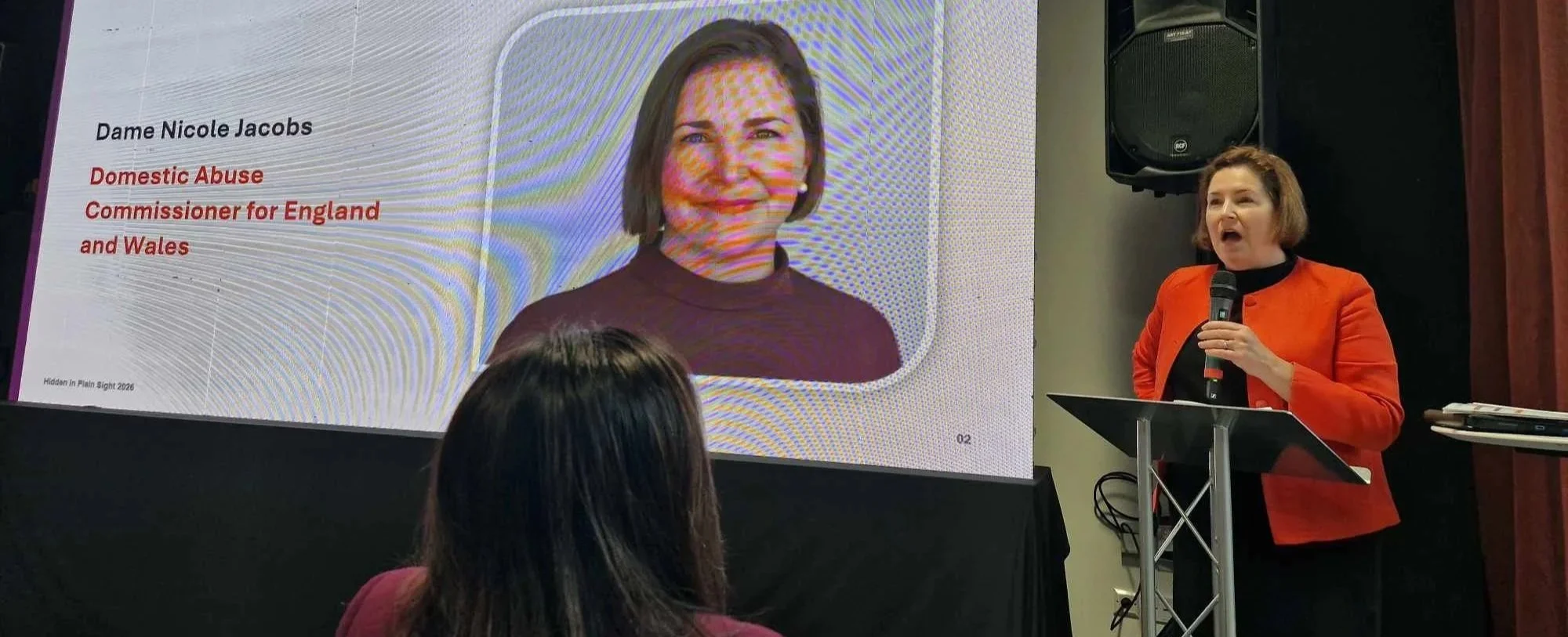
We heard from Nicole Jacobs, whose contribution highlighted the importance of organisations shaped by and working alongside victims and survivors.
Nicole spoke about how services developed with the voices and experiences of those impacted can lead to better outcomes. She also shared that, within Avon and Somerset Police, one in five police call-outs are due to child to parent abuse.
That figure certainly gives us something to think about.
CPA is not a small or isolated form of abuse. It is happening in homes and communities across the country, and yet parents can still struggle to find somewhere to turn where they will be understood, believed and supported.
Angela Kandola, Deputy Police and Crime Commissioner for Nottinghamshire, echoed the importance of community engagement and co-production. With her own background in the voluntary and community sector, it was particularly valuable to hear about the work taking place through the PCC office and the importance of continuing to build relationships with communities and organisations.
There was a recurring message throughout these discussions: we cannot create meaningful change without the people and communities affected by the issues being part of that change.
As an organisation, this is something we believe strongly in. We must continue to listen, learn and work alongside others, rather than assume we already have all the answers.
Hidden in Plain Sight – the report we all need to read
One of the most important parts of the day was hearing from Sukhi, CEO of Sikh Women’s Aid, as she shared the findings of their new report.
Hidden in Plain Sight explores the experiences of Sikh Panjabi women and girls, shining a light on domestic abuse, financial abuse, CPA and the wider forms that can remain hidden within family relationships.
The findings are incredibly important.
Among the women who answered the relevant question, 37% reported having experienced or witnessed CPA. Where the child was identified, adult sons accounted for 73% of valid responses.
The report also highlights the experiences of women who have sought help from the police, with 70% of those answering the relevant question about police outcomes reporting that no further action had been taken.
These are not figures we should simply read, acknowledge and move on from.
They are experiences. They represent women, mothers, families and lives.
The report also reminds us that abuse does not always fit the frameworks we are most familiar with. Abuse within family relationships can be complicated by love, loyalty, culture, expectations, financial dependency and the fear of what may happen if someone speaks out.
We must be careful not to make assumptions about any community. Instead, we need to understand the barriers people face, listen to their experiences and make sure support is relevant, informed and accessible.
You can download the report towards the end of this blog. I would really encourage professionals, organisations and anyone working with families to take the time to read it.
Bringing our voices together
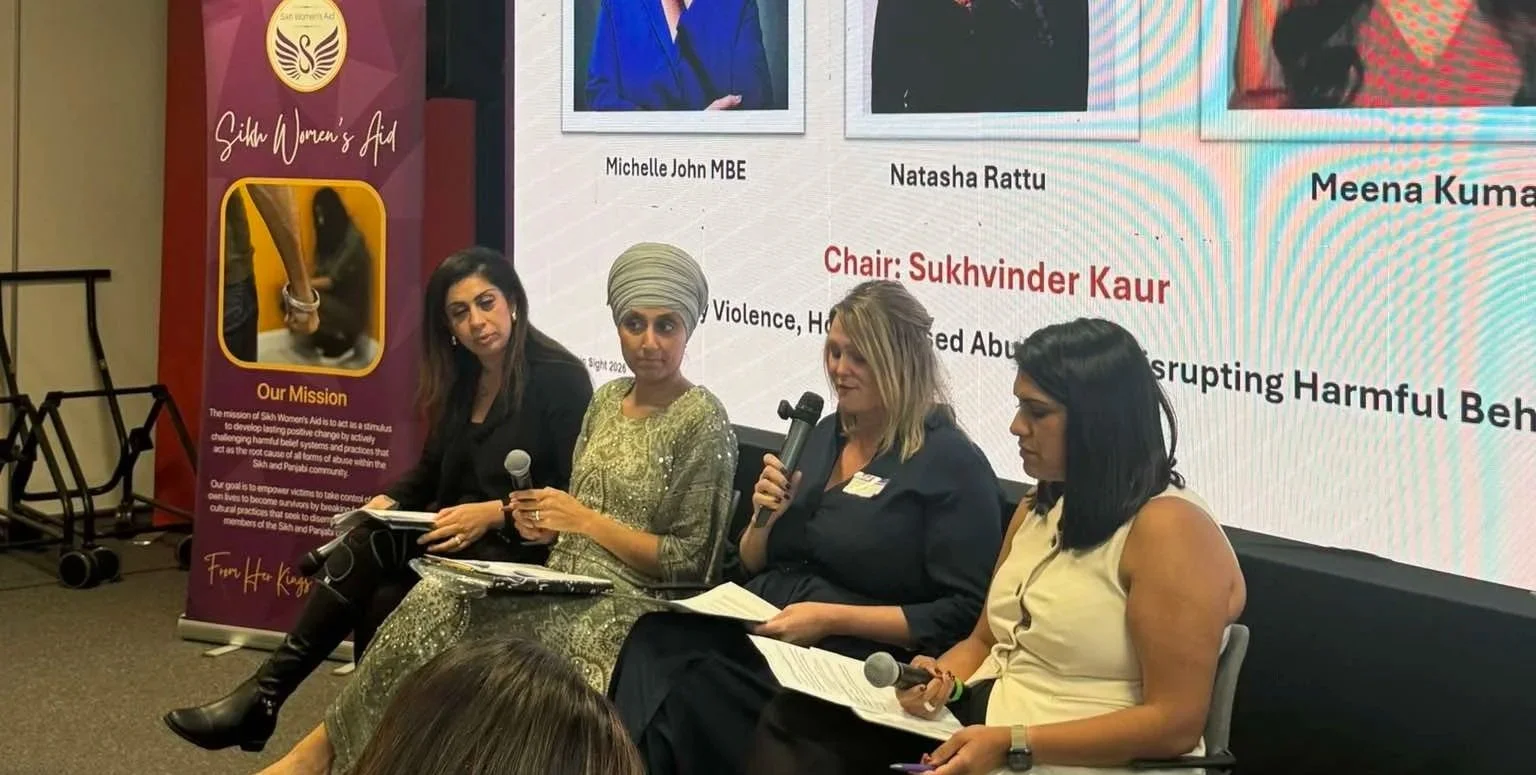
I then had the privilege of joining Meena Kumari from HOPE CIC and Natasha Rattu from Karma Nirvana for a panel discussion, chaired by Sukhi.
It was a fantastic opportunity to bring different perspectives into one conversation, exploring the realities of abuse within family relationships, the challenges faced by those reaching out for support and what needs to change across services and systems.
We also had the opportunity to hear questions from the audience, which added another important dimension to the discussion.
I always value these opportunities because no single organisation has all the answers. We each bring different experiences, expertise and perspectives, and it is through these conversations that we can challenge our thinking and identify where we need to do better.
The voices that stayed with me
After lunch, we returned to hear from a panel of women with lived experience, chaired by the wonderful Sharie Kaur.
I want to take a moment to acknowledge every woman who shared something of her journey that day.
It was brave. It was powerful. It was raw and it was real.
Sharing lived experience is not easy. It requires trust, courage and a willingness to allow others to hear parts of your life that may have been difficult, painful or previously unheard.
Thank you to every woman who used her voice. I hope you know that people were listening.
There were two particular contributions that have stayed with me.
The first was a question raised during a discussion about financial abuse:
"Why must a woman always be attached to a man?"
I have found myself thinking about this repeatedly.
It challenged me to reflect on the assumptions we can make about women, their identities, their independence and the way services and systems sometimes position them in relation to somebody else.
A woman's identity, worth, safety and ability to make decisions should never be defined by her relationship with a man.
The second was a response to the question:
"What is the one thing that needs to change?"
The answer was:
"Create a safe space to listen, not advise."
I think there is so much in those few words.
So often, when somebody shares their experience with us, our instinct is to help. We want to find a solution, offer advice, make suggestions or tell them what they could do next.
And of course, there are times when practical support and advice are needed.
But sometimes, the most important thing we can do is simply listen.
To create a space where somebody does not feel judged, questioned, blamed or rushed into making a decision. A space where they can speak freely, be heard and feel that their experiences matter.
We need to remember that listening is not doing nothing. It is an action in itself.
For parents experiencing CPA, this is particularly important. Many have spent years feeling that they need to explain themselves, defend their parenting, justify their decisions or prove just how difficult life has become.
Sometimes, before we can even begin to talk about solutions, we need to allow somebody to tell their story.
To be heard without judgement.
To be believed without having to convince us.
And to be supported without being told what they should have done differently.
Ending the day with space to breathe
Following what had been an emotionally demanding day, we were treated to a wonderful wellbeing session, including a sound bath and guided meditation.
It was a thoughtful and beautiful way to close the conference. A chance to pause, reflect and take a breath after a day filled with some incredibly difficult conversations.
There were opportunities to make new connections, reconnect with people we already know and continue building relationships with organisations and individuals who share a commitment to improving the lives of those impacted by abuse.
What does this mean for PEGS?
I came away from Leicester feeling grateful, but also reflective.
Our focus at PEGS is on the parent experiencing child to parent abuse. We know that parents can experience significant abuse within their own homes, often while continuing to love, care for and advocate for their children.
But attending this conference reminded me that we must never become so focused on the work we do that we stop looking at what we might be missing.
We need to continue asking ourselves:
Are we reaching the communities who need us?
Do parents from different cultural backgrounds see PEGS as somewhere they can come and be understood?
Are we doing enough to ensure our language, resources and support reflect the experiences of the people seeking help?
What more can we learn from specialists or organisations?
And, importantly, are we listening enough?
I want PEGS to continue developing its understanding, upskilling our team and making sure we remain a service that parents from the Sikh and Panjabi community can access and feel safe approaching.
This is not about expecting communities to adapt to us. It is about recognising that we have a responsibility to keep learning, building trust and making our support as relevant and inclusive as possible.
I am also incredibly keen that we continue developing our relationship with the wonderful team at Sikh Women’s Aid. There is so much we can learn from one another, and I hope this conference is just one part of a much longer conversation and partnership.
Standing up, speaking out and making space to listen
I keep returning to the words we heard at the very beginning of the day.
Standing up and speaking out.
But perhaps I would add something else: making space for others to speak, and being prepared to listen when they do.
We cannot change what we refuse to acknowledge. We cannot improve services if we are unwilling to hear where they are falling short. And we cannot genuinely support people if we are not prepared to understand their experiences.
Whether we work in policing, health, social care, specialist services, community organisations or within our own families, we all have a part to play.
The voices are there. The experiences are there. The evidence is there.
We need to make sure they are no longer hidden in plain sight.
A huge thank you to Sukhi, Gagandeep and the entire Sikh Women’s Aid team for bringing together such an important conference, for the work you continue to do and for creating a space where these conversations could happen.
And to every woman who shared her story: thank you for trusting us with your voice.
We heard you. We are listening. And we have more to learn.
- Michelle John MBE
You can download the report here.
